
Why everything starts beneath your feet — and what farmers in Lebanon and the Middle East can do about it
Introduction
There is a saying among experienced farmers in the Bekaa Valley: feed the soil, and the soil will feed you. After three decades working across Lebanese and Mediterranean agricultural systems, I can confirm that no input — no fertilizer, no pesticide, no irrigation system —compensates for degraded soil. Soil health is not an abstract concept discussed in university lectures. It is the measurable, manageable foundation upon which every successful harvest is built.
Yet across Lebanon and the wider Middle East, soil degradation continues at an alarming pace.Decades of intensive monoculture, excessive tillage, over-reliance on synthetic fertilizers, and irrigation with marginal-quality water have left many once-productive fields struggling to deliver even modest yields. The good news is that soil health can be rebuilt — but it requires understanding what soil actually needs.
What Soil Health Actually Means
Soil health refers to the continued capacity of soil to function as a living ecosystem that sustains plants, animals, and humans. Healthy soil is not simply dirt with nutrients added. It is a complex biological community containing billions of microorganisms per gram — bacteria, fungi, protozoa, nematodes — all working in synergy to cycle nutrients, suppress diseases, improve structure, and retain water.
In Mediterranean climates like Lebanon, soil health faces unique pressures. Long dry summers followed by intense autumn and winter rains create conditions where organic matter decomposes rapidly, soil structure can collapse under heavy rainfall, and erosion strips away topsoil from sloped terraces that took centuries to build.
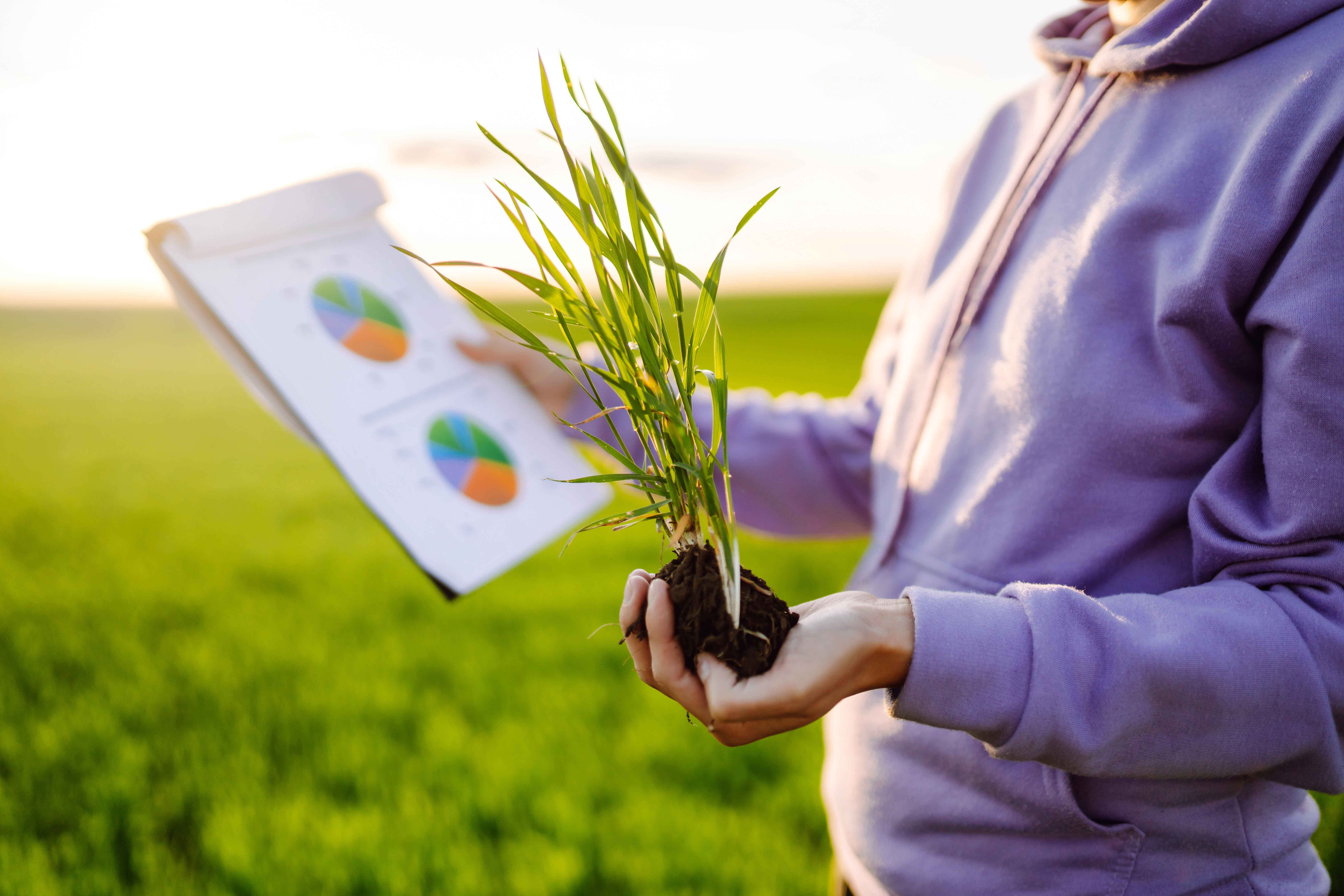
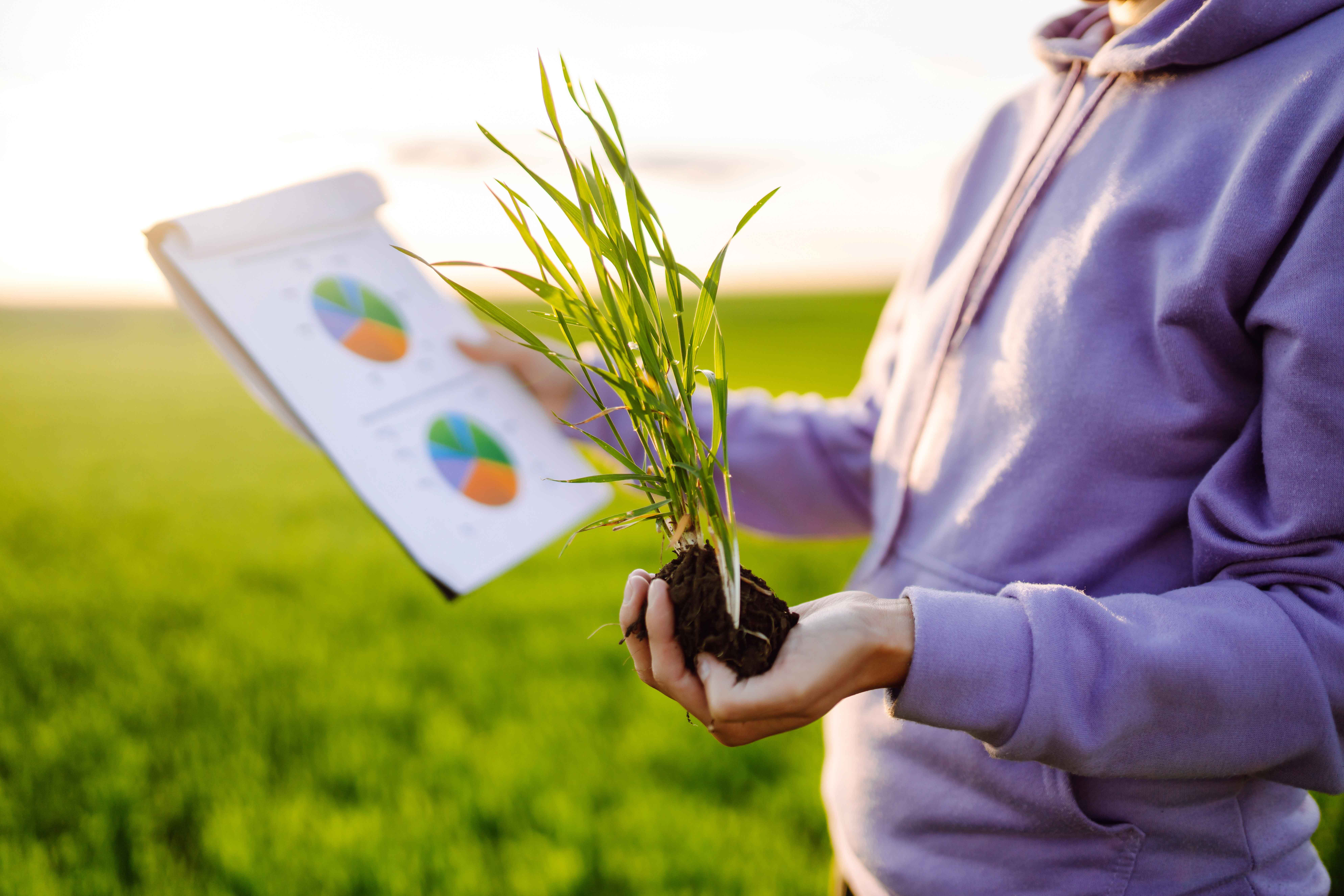
The Five Pillars of Soil Health Assessment
Professional soil assessment goes beyond a simple NPK test. Farmers and agronomists should evaluate five interconnected dimensions.
First, chemical fertility: pH, macro and micronutrient levels, cation exchange capacity, and salinity. In coastal Lebanese soils, salinity creep from over-pumped aquifers is an increasingly serious concern.
Second, physical structure: compaction, aggregate stability, porosity, and water infiltration rate.
Third, biological activity: earthworm counts, microbial biomass carbon, and respiration rates.
Fourth, organic matter content — Mediterranean soils typically contain only 1–2% compared to 4–6% in temperate regions.
Fifth, water-holding capacity: in a region where summer drought is the norm, this can determine whether a crop survives July and August.
Practical Steps for Lebanese Farmers
Start with a proper soil analysis from a certified laboratory — not a sales-driven recommendation from a fertilizer supplier. Sample at the correct depth, at the right time (after harvest, before the new season), and from representative areas of your field.
Build organic matter relentlessly. Incorporate crop residues instead of burning them. Use composted manure, not raw manure. Where possible, introduce cover crops during fallow periods — even a short-season legume like crimson clover or vetch between October and February adds nitrogen and biomass. In the Bekaa, farmers who adopted green manure rotations have documented 15–20% yield improvements within three seasons.
Reduce tillage intensity. Full inversion plowing destroys soil aggregates and buries organic matter. Consider minimum tillage or strip-till approaches, especially for row crops.
Conclusion
Soil health is not a trend or marketing term. It is the measurable biological, chemical, and physical condition of the medium that grows your crops. In the Mediterranean context, where water is scarce, summers are brutal, and arable land is limited, investing in soil health is the single highest-return decision a farmer can make.
Key Takeaways
- Soil health encompasses biology, chemistry, physics, organic matter, and water retention — not just NPK levels.
- Mediterranean soils are naturally low in organic matter; every management decision should aim to increase it.
- Regular professional soil testing guides smarter input decisions and reduces waste.
- Reduced tillage, cover cropping, and composted organic amendments rebuild degraded soils within 2–4 seasons.