
How one small country offers farming possibilities that rivals ten times its size — and what stands in the way.
Introduction
Lebanon occupies a unique position in Mediterranean agriculture. Within 10,452 square kilometers, it contains a range of climatic conditions from coastal subtropical to continental to alpine — a diversity normally found only across entire regions or continents. This geographicalgift creates agricultural possibilities that most countries of comparable size cannot imagine.
Understanding this potential — and the structural barriers that prevent its realization — is essential for anyone involved in Lebanese agriculture, from farmers to policymakers to investors.
Agroclimatic Zones and Crop Potential
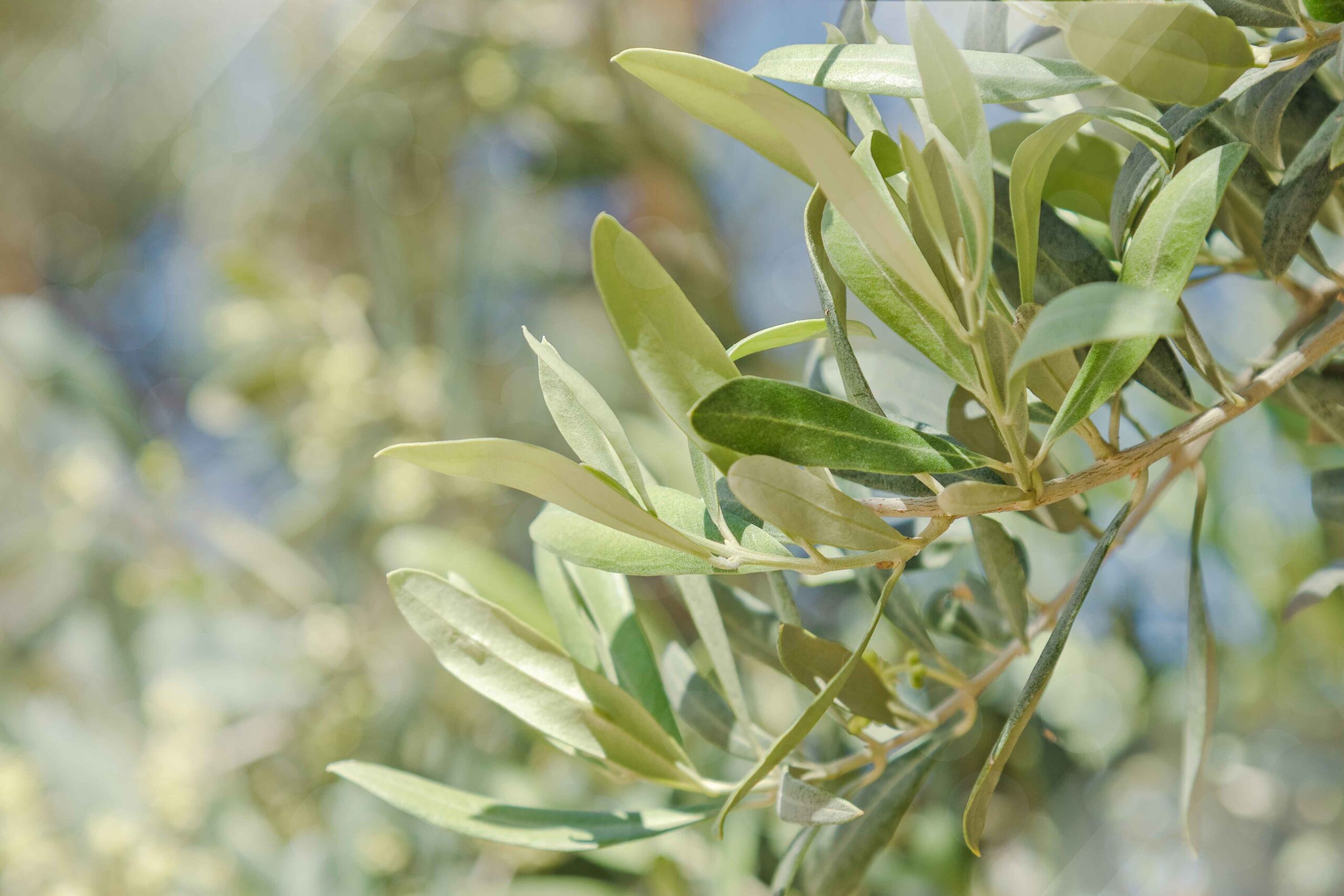
The coastal plain (0–300m) offers frost-free conditions suitable for citrus, banana, avocado, tropical herbs, and year-round vegetable production. The mid-altitude zone (300–1,000m) supports classic Mediterranean crops: olive, grape, stone fruit, fig, and diverse vegetable cultivation. The Bekaa Valley (800–1,200m) provides continental conditions for potatoes, cereals, legumes, sugar beet, and industrial crops. Higher elevations support cherry, apple, and summer vegetable production that exploits cooler conditions when lowland areas are too hot. This vertical diversity means Lebanon can produce sequential harvests of the same crop — strawberries from the coast in March, from mid-altitude in May, from the Bekaa in June —extending market supply windows domestically and for export.
Structural Barriers
Land fragmentation is perhaps the most fundamental constraint. Average farm size in Lebanon is under one hectare, making mechanization, modern irrigation investment, and professional crop management economically challenging. Agricultural land continues to be lost to urbanization at an alarming rate, particularly on the fertile coastal plain. Water management infrastructure is inadequate. Despite receiving 600–900mm of rainfall annually in productive areas, poor storage, wasteful irrigation, and unregulated groundwater extraction mean that water scarcity constrains production even in relatively wet years. Post-harvest infrastructure — cold chains, packing facilities, quality grading, and storage — is underdeveloped. Losses between harvest and market consume 25–40% of production for some perishable crops.
Opportunities for Development
Modern agricultural inputs — improved varieties adapted to Mediterranean conditions, efficient irrigation technology, integrated pest management tools, and precision nutrition programs — can dramatically increase productivity on existing agricultural land.Cooperative structures that allow smallholders to share infrastructure, aggregate production for market access, and access technical support collectively can overcome the scale limitations of individual farm fragmentation. Export market development for premium Lebanese agricultural products — olive oil, wine, fresh produce, aromatic herbs — leverages the quality potential of diverse microclimates while generating the revenue to fund agricultural modernization.
Conclusion
Lebanon’s agricultural diversity is a genuine competitive advantage that few countries possess. Realizing this potential requires systematic investment in water infrastructure, farmer education, modern inputs, and market development — not reinventing agriculture, but bringing world-class practices to world-class growing conditions.
Key Takeaways
- Lebanon’s climatic diversity within a small area creates agricultural possibilities rare in the world.
- Structural barriers — fragmentation, water management, infrastructure — constrain potential more than agroclimatic factors.
- Modern agricultural inputs and technology can dramatically increase productivity on existing land.
- Export market development for premium products leverages quality advantages of diverse microclimates