
Introduction
A crop that establishes poorly never catches up. Uneven germination leads to uneven stands,
uneven canopy development, inefficient water and fertilizer use, and disappointing yields.
Whether you operate a commercial nursery or direct-seed vegetables, the principles of
successful germination are the same: appropriate temperature, consistent moisture, adequate
aeration, and quality starting material.
This guide covers the science and practical management of germination for Mediterranean
growing conditions.
Understanding the Germination Process
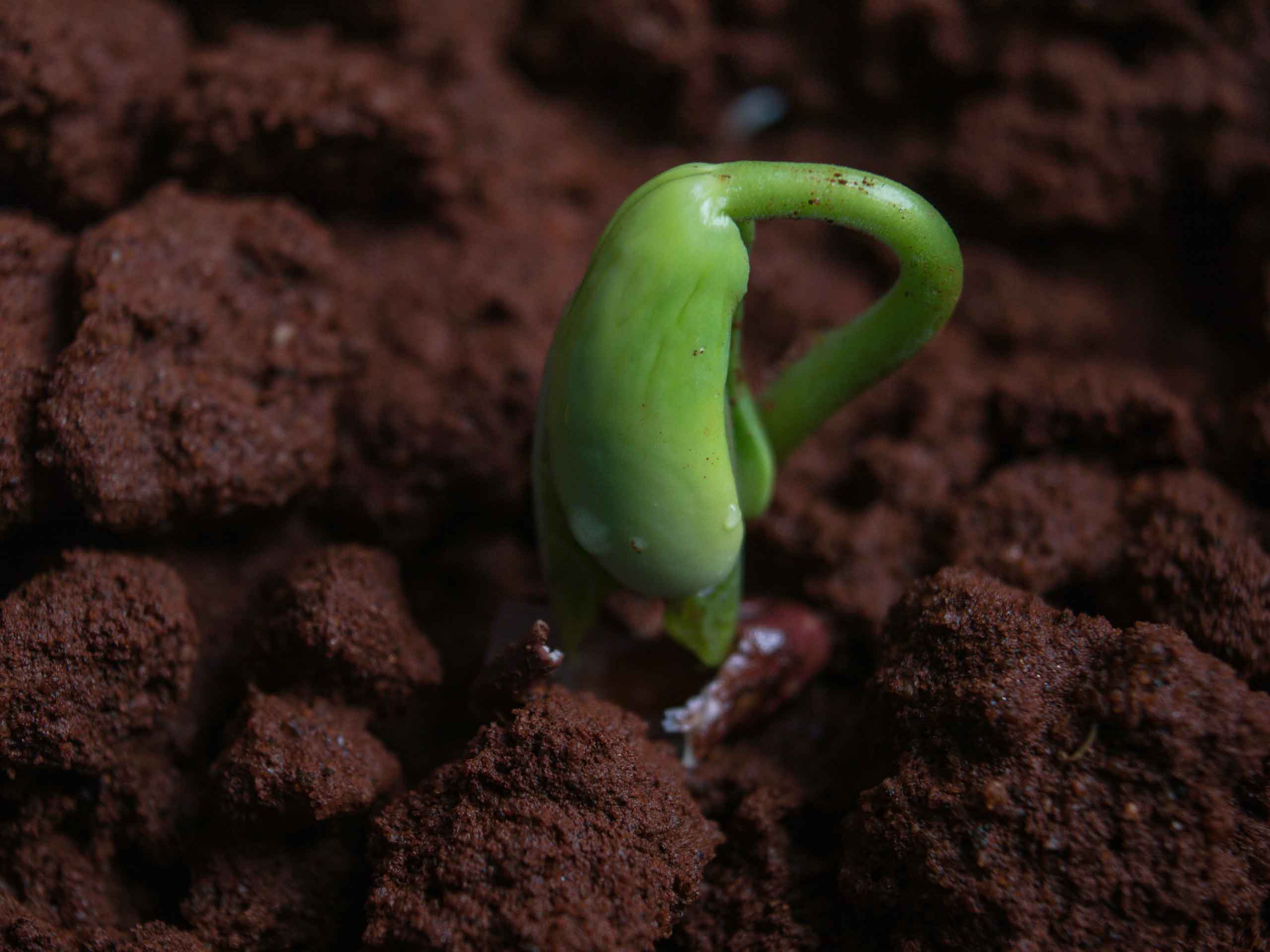
Germination begins with imbibition — the seed absorbing water until moisture content reaches
40–60% of seed weight. This triggers enzymatic activation converting stored starches into
sugars for the emerging radicle and plumule. The process is sensitive to temperature, moisture,
and oxygen.
Each species has an optimal germination temperature range. Tomato: 24–28°C. Pepper: 25–
30°C. Lettuce germination is inhibited above 30°C (thermodormancy). Cucumber needs at least
20°C. Knowing these requirements is the difference between 95% and 50% germination.
Nursery Management
Quality nursery management requires controlled germination chambers where temperature and
humidity are maintained precisely during the 48–72 hour germination window. Growing media
should be fine-textured, well-aerated, pH 5.5–6.5, and pathogen-free.
Irrigation during germination demands precision. Media must remain consistently moist but
never saturated. Overwatering is the most common nursery error, causing damping-off and
weak root development.
Direct Seeding Considerations
For direct-seeded crops, seed bed preparation is the primary determinant. Fine enough for
seed-soil contact but not so pulverized that it crusts after rain. Seed depth must be precise —
small seeds at 0.5–1.5 cm, larger seeds at 3–5 cm.
Soil temperature at planting depth — not air temperature — determines germination. In spring,
soil warms slower than air. A soil thermometer provides information worth thousands in
improved establishment.
Conclusion
Germination is a managed process with specific requirements varying by species. Investing
attention in the first 72 hours delivers returns that compound throughout the entire season.
Key Takeaways
- Each crop species has specific optimal germination temperatures — know these before
seeding.
- Consistent moisture without waterlogging is the most critical factor.
- Soil temperature at seeding depth, not air temperature, determines germination success.
- Quality germination management in the first 72 hours determines season-long crop
performance.