
How farmers can thrive when the region’s most critical resource is running out.
Introduction
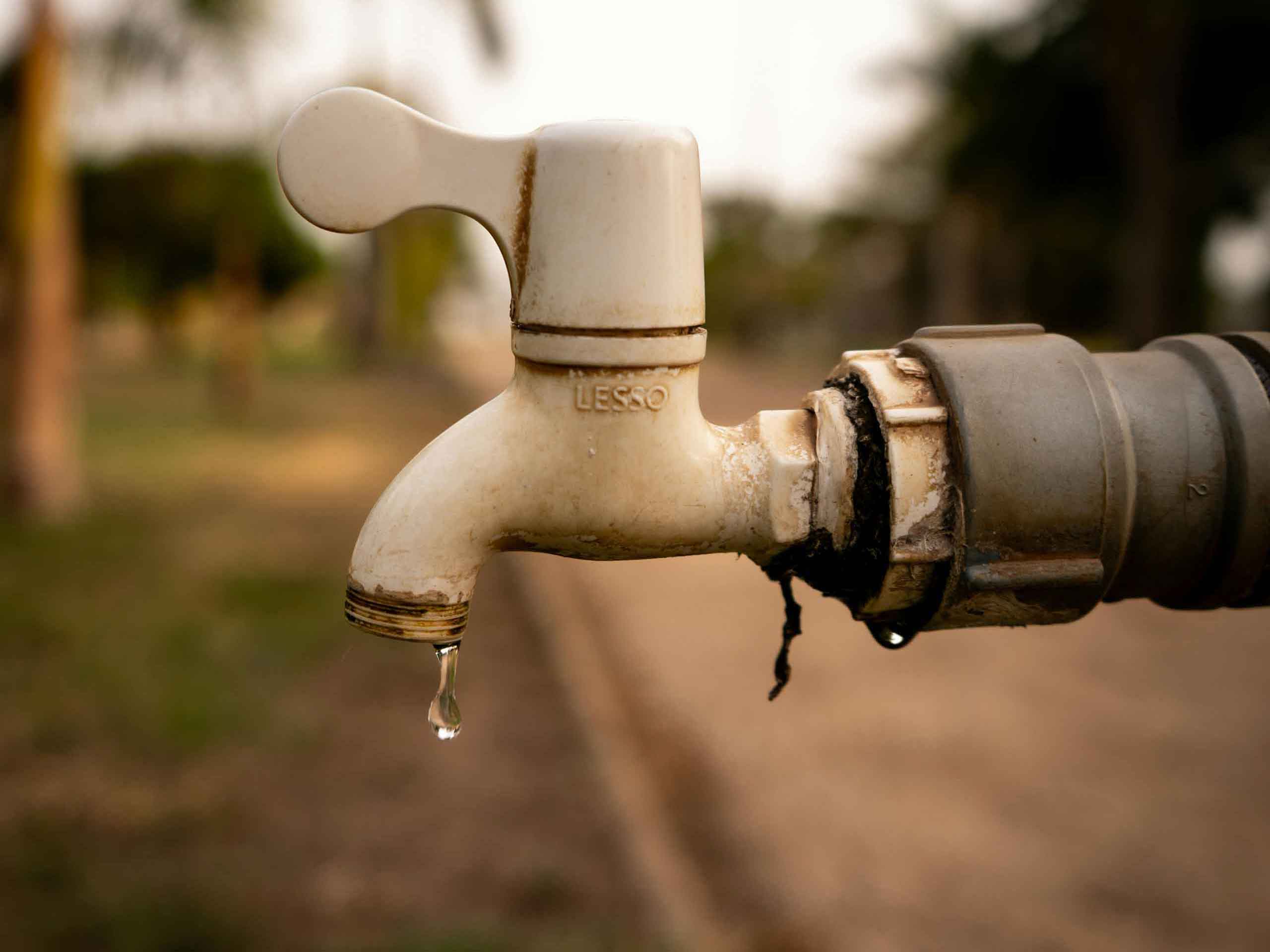
Water scarcity is the defining constraint of Middle Eastern agriculture — and it is intensifying. The region’s combination of limited rainfall, declining groundwater, growing populations, and climate change creates a water crisis that agriculture cannot ignore. For Lebanese farmers drawing from depleting aquifers and competing with urban demand for the Litani River system, adaptation to water scarcity is not a future challenge. It is today’s operational reality.
The farms that will remain viable are those that treat water as the organizing principle of every management decision.
The Scale of the Challenge
The Middle East contains roughly 1% of the world’s renewable freshwater resources while supporting 6% of the global population. Agriculture consumes 70–85% of available water. Groundwater — the buffer that has historically bridged supply-demand gaps — is being extracted far faster than natural recharge rates, with water tables dropping 1–3 meters annually in many key agricultural areas.
In Lebanon specifically, the Litani basin — the country’s largest watershed — faces competing demands from agriculture, industry, and municipal supply. Groundwater wells in the Bekaa Valley require progressive deepening, with some areas experiencing 50-meter declines over the past three decades.
Technology Solutions
Drip irrigation remains the highest-impact technology intervention, achieving 90–95% application efficiency compared to 50–60% for surface methods. Yet adoption in the region remains incomplete. Every farm irrigating with surface methods represents an immediate efficiency opportunity. Deficit irrigation — strategically applying less water than full crop demand during stress-tolerant growth stages — reduces seasonal water use by 20–30% with minimal yield impact when properly managed. Research across Mediterranean crops demonstrates that mild deficit during vegetative growth often improves fruit quality while conserving water for critical reproductive stages.
Soil and Crop Strategies
Building soil organic matter is the most overlooked water conservation strategy. Each 1% increase in organic matter improves water-holding capacity by approximately 20,000 liters per hectare. In water-scarce environments, this buffering capacity extends the interval between irrigations and reduces total seasonal water demand.
Crop selection increasingly must reflect water reality. Shifting partially toward crops with lower water requirements — pomegranate, fig, cactus pear, drought-tolerant grain varieties — diversifies production while reducing total farm water demand.
Conclusion
Water scarcity in the Middle East will intensify. This is not a projection subject to debate — it is a hydrological reality visible in every declining aquifer and every shortened snowpack season. Farmers who invest now in water efficiency, soil water retention, and appropriate crop selection position themselves for viability. Those who continue extractive water use face a future where the resource simply will not support production.
Key Takeaways
- Middle Eastern agriculture uses 70–85% of regional water while supplies are declining annually.
- Drip irrigation doubles water use efficiency compared to surface methods — adoption is the highest-priority investment.
- Deficit irrigation strategies reduce use by 20–30% with minimal yield impact when timed to non-critical stages.
- Soil organic matter building provides low-cost water retention improvement worth thousands of liters per hectare.