Control the problem. Keep the life in your field.
Biological crop protection uses beneficial insects, helpful microbes and natural extracts to control pests and diseases, and leaves your soil, your plants and your harvest stronger every season.
Crop protection is getting more precise
For decades, programs were built around spraying on a fixed calendar. Today growers face pressures that call for a wider set of tools, used with more precision.
Resistance builds
When the same modes of action are used season after season, some pests and diseases become harder to control.
Natural enemies matter
Predators and pollinators already in the field do part of the work. A program that protects them gets more from every application.
Residue limits are tightening
Gulf and European buyers test for residues, and a rejected shipment is lost income.
Targetthe problem.Protecteverything else.
Biological solutions use living organisms and natural substances to control a specific pest or disease. They work with your crop’s own defences and with the useful life already in your field, not against it.
They work alongside registered crop protection products: the right product, at the right moment, only where it is needed.
Fast where it has to be. Lasting where it counts.
When a problem is already in your crop, some biological products act on contact, and beneficial insects can be released in large numbers on the worst spots. You bring the problem down without wiping out everything else.
Other solutions build up over the season. Beneficial insects settle in and keep hunting. Root microbes colonise the roots, help the plant feed and defend itself, and stay active in the soil. Each season your field gets healthier and more resilient.
One program. Both effects.
Meet the beneficials: the insects and mites that work for you
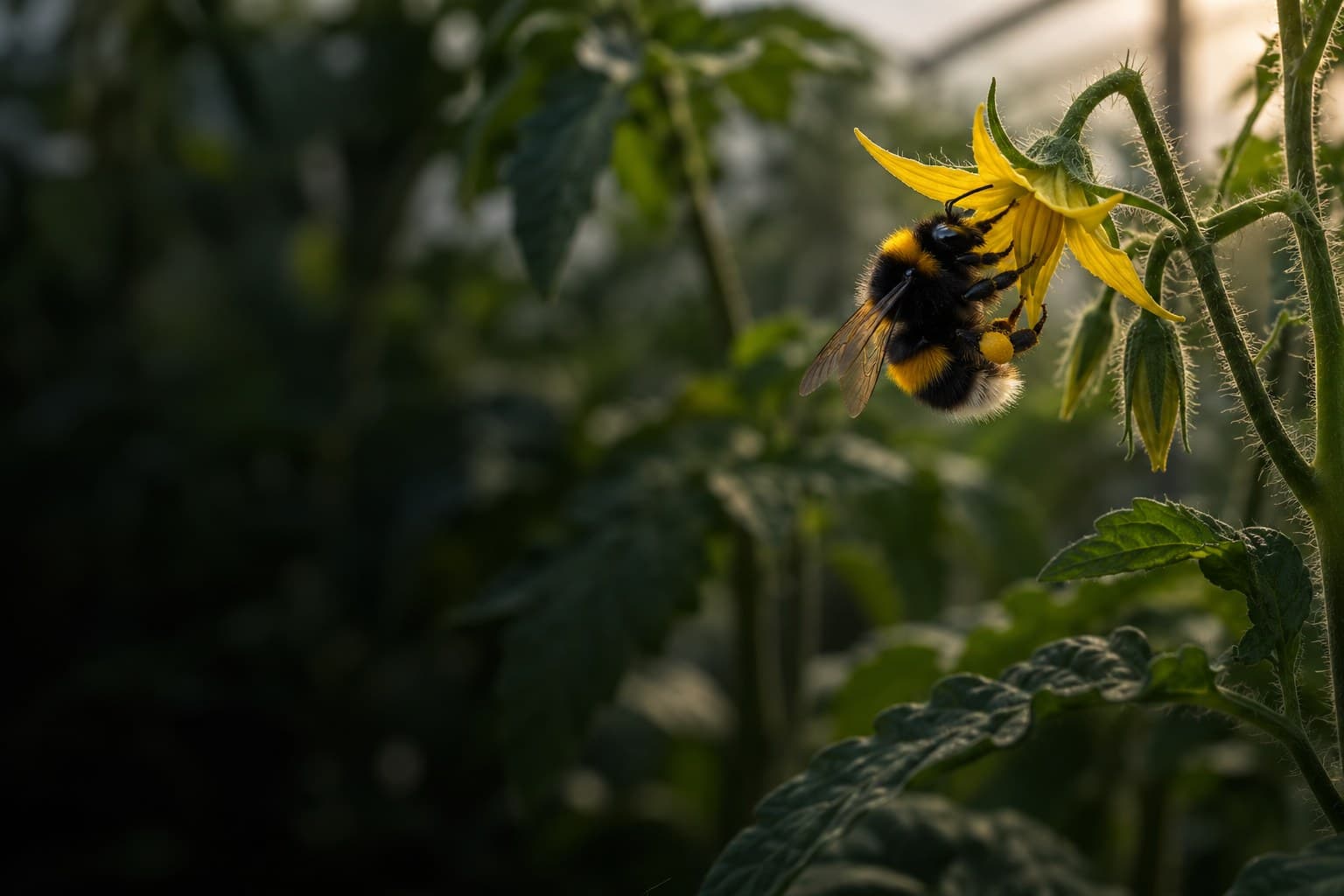
Beneficial insects and mites are natural enemies of crop pests. They are bred in specialised facilities and released into the crop, where they hunt the pest or develop inside it. Bumblebees do a different job: they pollinate.
Meet the beneficial microbes: the hidden workforce in your soil
A single teaspoon of healthy soil holds hundreds of millions of microorganisms. The useful ones protect roots, feed the plant and keep disease in check. Biological products carry selected strains, multiplied and formulated so they can be applied like any other input.
Meet the beneficials: the insects and mites that work for you
Meet the beneficial microbes: the hidden workforce in your soil
The problems biology can solve
Seven problems Lebanese growers face every season, and how a biological approach handles each one.
Root rot, wilt and damping-off
- The problem
Soil-borne diseases such as Fusarium, Pythium and Rhizoctonia attack roots and stems: seedlings collapse, and older plants wilt and die.
- The bio solution
Beneficial fungi such as Trichoderma and protective bacteria such as Bacillus colonise the roots first. They crowd out the disease, compete for its food and switch on the plant’s own defences.
- The long-term gain
A protected root system, and a soil that is better at holding disease back, season after season.
Weak roots and wasted fertiliser
- The problem
In chalky soils, common across Lebanon, phosphorus, iron and zinc get locked up. Plants struggle to establish, and much of the fertiliser you pay for never reaches them.
- The bio solution
Mycorrhizal fungi and growth-promoting bacteria extend the root system, release nutrients held in the soil and help the plant take them up.
- The long-term gain
Stronger plants from transplant to harvest, and more value from every kilo of fertiliser.
Mildew, grey mould and leaf spots
- The problem
Powdery mildew, downy mildew, grey mould (Botrytis) and bacterial spots damage leaves and fruit, especially in humid greenhouses.
- The bio solution
Biological fungicides based on beneficial microbes and plant extracts, applied early, help protect leaves and fruit and strengthen the plant’s natural resistance.
- The long-term gain
Fewer sprays in the program, fewer residues at harvest, and every product in the program keeps working longer.
Whitefly, thrips, aphids and spider mites
- The problem
Small, fast-breeding pests that hide under leaves and can become resistant to repeated treatments. Whitefly, thrips and aphids also spread plant viruses.
- The bio solution
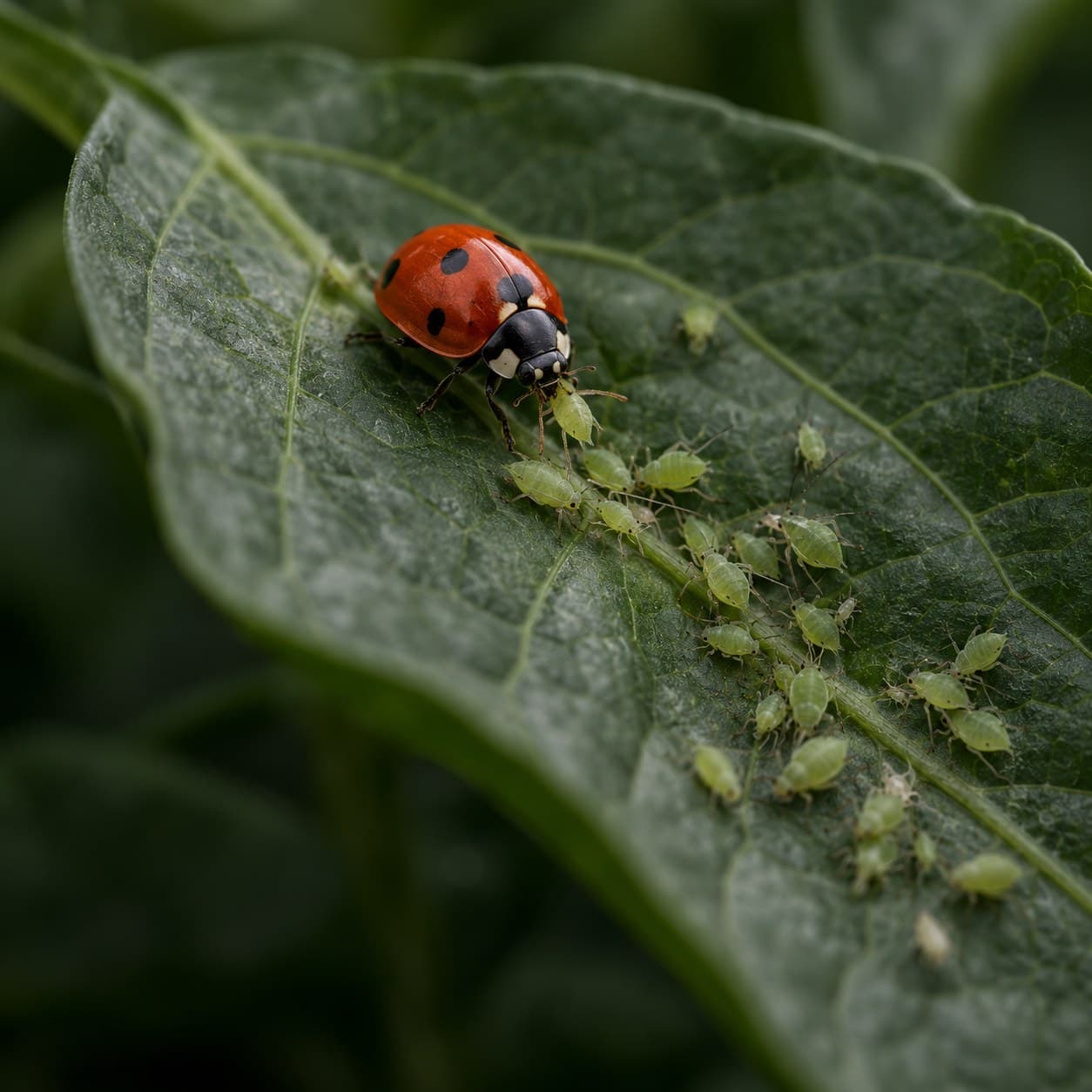
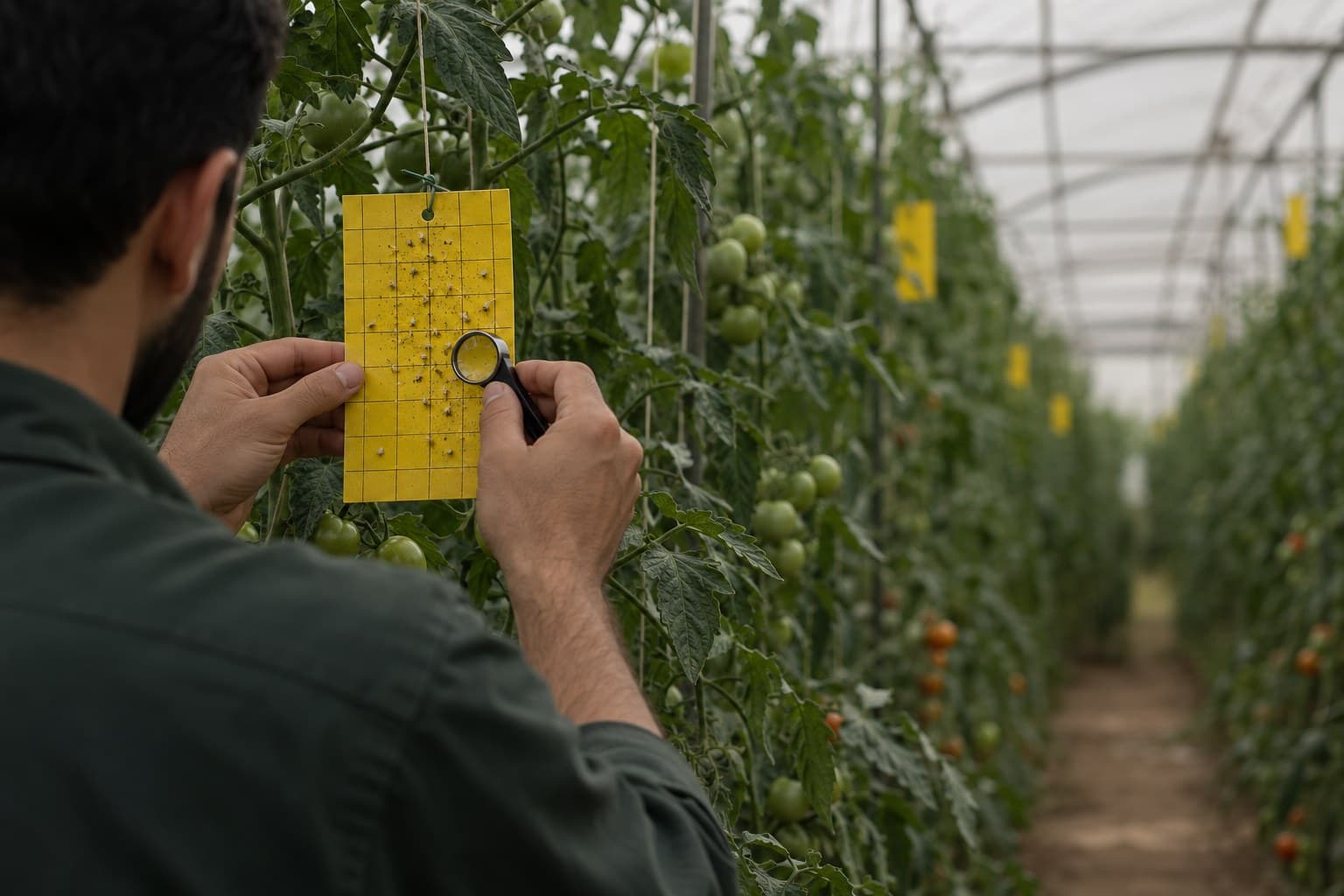
Beneficial insects and mites (predatory mites, predatory bugs and parasitic wasps) are released into the crop to hunt the pest, including the eggs and young stages that are hardest to reach. Sticky traps catch adults and show where to act.
- The long-term gain
A resident population of natural enemies that keeps working between releases. Pests cannot become resistant to being eaten.
Tuta absoluta and caterpillars
- The problem
The tomato leafminer (Tuta absoluta) and other caterpillars tunnel into leaves and fruit, and can destroy a tomato crop if left unchecked.
- The bio solution
Pheromone traps to monitor and catch the moths, predatory bugs that feed on eggs and young larvae, and biological insecticides based on natural bacteria that target caterpillars only.
- The long-term gain
Control that spares bees and the beneficial insects working for you.
Poor fruit set in greenhouses
- The problem
In closed greenhouses, tomato flowers are poorly pollinated, so growers rely on hormone sprays or shaking the plants by hand.
- The bio solution
Bumblebee hives placed in the greenhouse pollinate the flowers naturally, throughout flowering.
- The long-term gain
Better-shaped, heavier fruit, less labour, and a strong reason to keep every spray bee-safe, which also protects your other beneficials.
Heat, drought and salty water
- The problem
Hot summers, water shortages and salty irrigation water stress plants, cut yields and reduce quality.
- The bio solution
Biostimulants (seaweed extracts, amino acids, humic substances and beneficial microbes) help plants cope with stress and recover faster.
- The long-term gain
Steadier yields and quality through difficult seasons.
How a biological program works
- 1. Identify the problem
The right diagnosis comes first: which pest or disease it is, and how much of it there is.
- 2. Start early
Biological tools work best as prevention, before a pest or disease takes hold.
- 3. Combine tools
Beneficial insects, helpful microbes, traps and natural extracts work best together. Where conventional products are part of the program, choose ones that spare the beneficials.
- 4. Monitor and adjust
Traps and regular field checks show what is happening in the crop, so action comes before small problems become big ones.
Questions growers ask
Do biological products work as well as conventional products?
For many problems, yes, but they work differently. Most perform best when applied early, before a problem takes hold, and as part of a program rather than a single spray.
Can biological and conventional products be used together?
Often, yes, with planning. Some products can harm beneficial insects or microbes, so the choice of product and the timing matter.
Is biological the same as organic?
No. Many biological products are allowed in organic farming, but “biological” describes how a product works, not a certification. Organic growers should check each product against their certification.
Is biological control only for greenhouses?
No. It is most advanced in greenhouses, but helpful microbes, pheromone traps and biostimulants are also used in orchards, vineyards and open fields.
Do live products need special care?
Yes. Beneficial insects and some microbial products are alive, so they must be stored as instructed and used soon after delivery.
Biology is becoming part of every crop protection program.
Questions about biological crop protection? Get in touch.
Talk to us.
Orders, product questions and field problems all start here.