Rodents in winter: stores, farms and municipal sites
As nights turn cold, rats and mice move indoors. How to find them, keep them out and use bait stations safely.
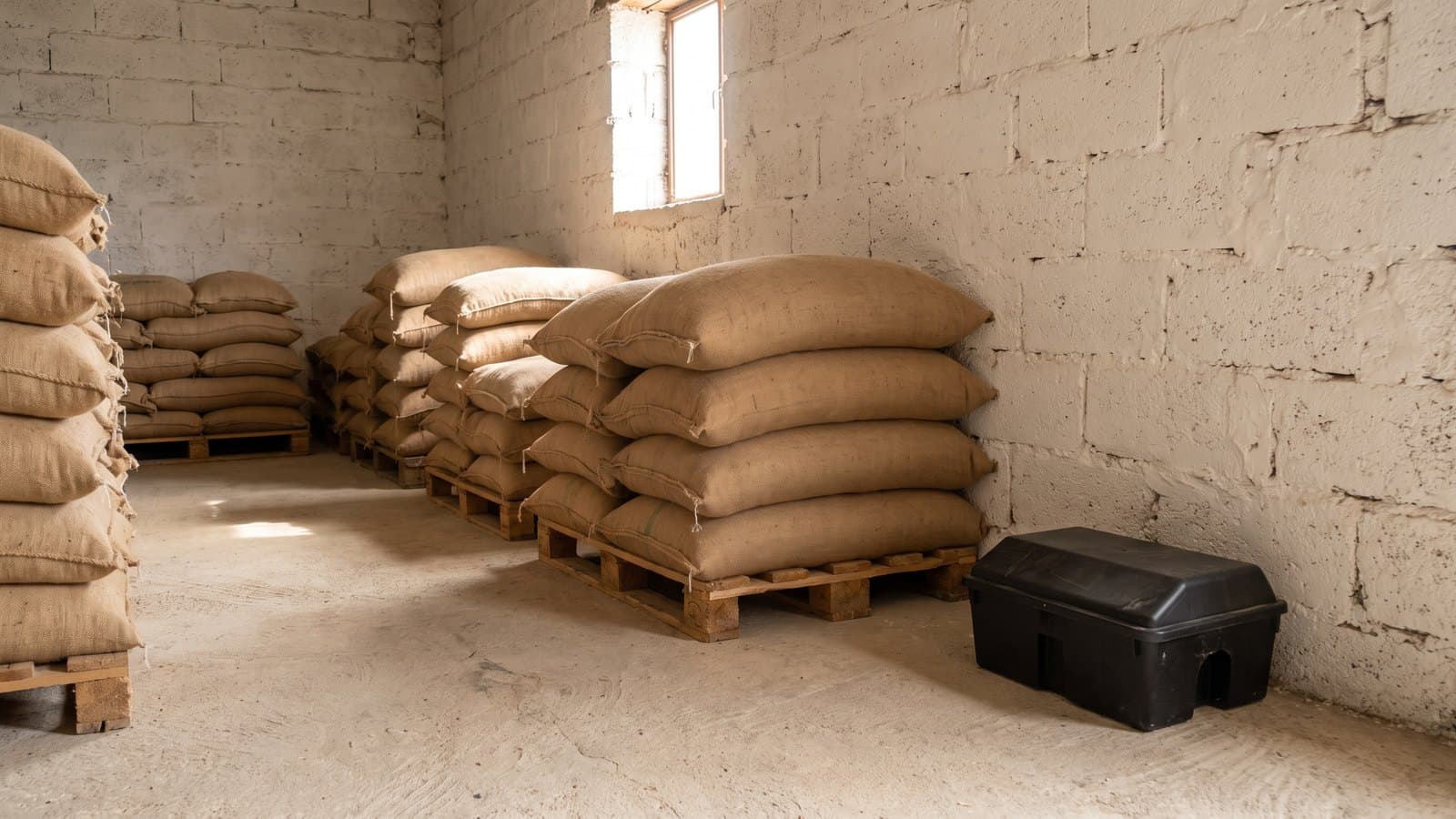
When the fields empty and the nights turn cold, rats and mice move towards shelter and food: grain stores, feed rooms, barns, warehouses, shops and public buildings. They breed fast, so a few animals in November can be a serious problem by January. The best results come from a plan, not from bait thrown into corners.
What they cost you
- Food and feed: they eat stored grain, seed and animal feed, and spoil far more than they eat with droppings and urine.
- Damage: they gnaw sacks, packaging, irrigation pipes and electrical wiring. Chewed wiring is a fire risk.
- Health: rats and mice carry diseases that reach people and livestock through contaminated food, water and surfaces.
Know who you are dealing with
Three species cause most problems in Lebanon. The brown rat lives at ground level and digs burrows along walls, in sewers and near waste. The black rat climbs: you find it in roofs, upper floors and trees. The house mouse is small, lives close to its food and rarely travels more than a few metres from its nest.
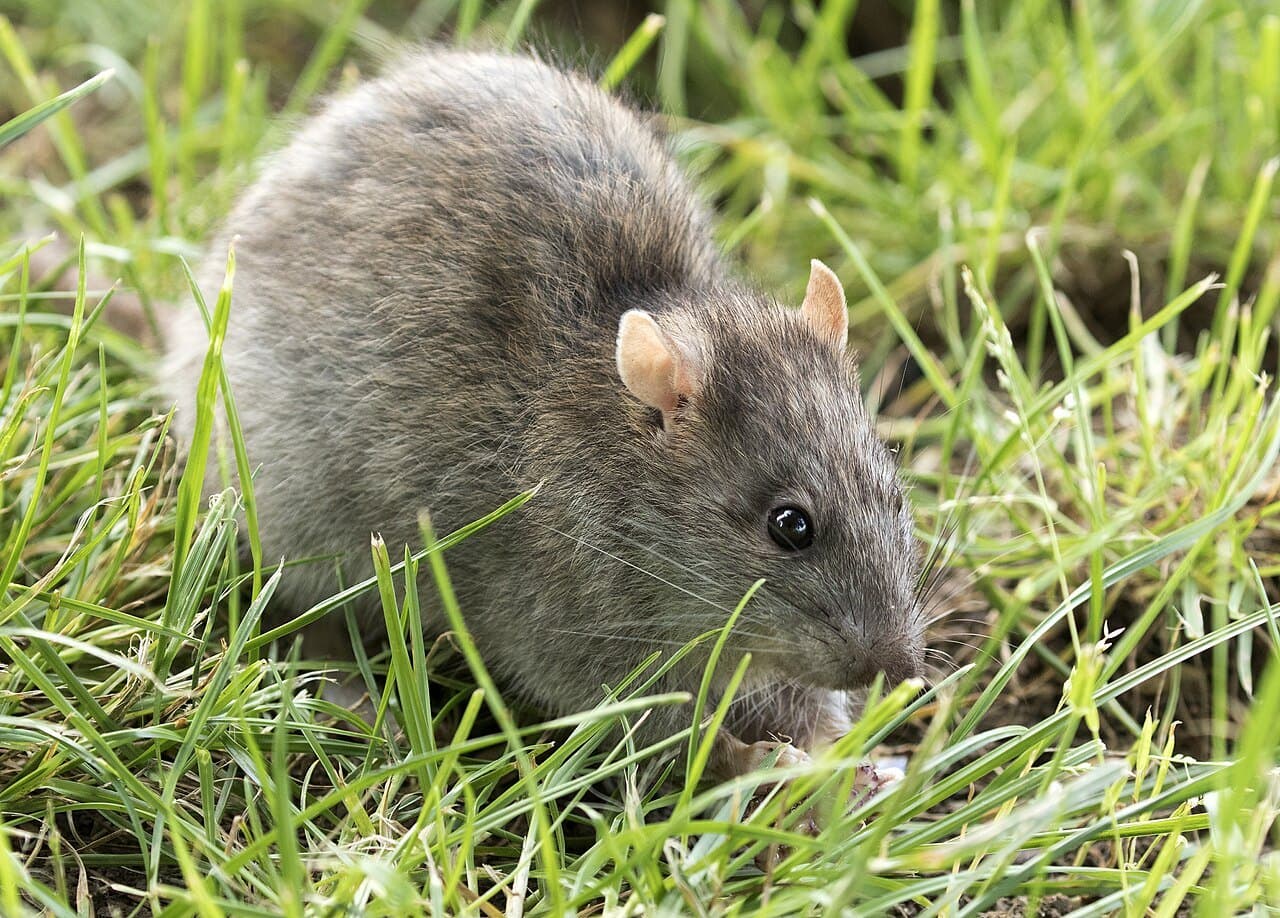
Look for droppings, gnaw marks, greasy rub marks along walls, burrows, footprints in dust and torn sacks. Where you find them tells you where the animals live and travel.
Step one: remove food and water
Bait works poorly when there is plenty of food around. Store grain, seed and feed in sealed containers or on pallets away from walls. Clean up spills every day. Keep waste in closed bins and collect it often. Fix leaking taps and pipes.
Step two: keep them out
A mouse can squeeze through a gap of about 6 mm, and a rat through about 12 mm, so seal every gap wider than 6 mm.
- Seal gaps around pipes, cables and doors.
- Fit door sweeps and metal mesh on vents and drains.
- Keep vegetation and stacked materials away from building walls, where they give cover.
Step three: bait stations, used safely
Where rodents are already inside, bait stations give the most reliable control.
- Always use locked, tamper-resistant stations. Never leave bait loose in corners, where children, pets, livestock and birds can reach it.
- Place stations along walls and on the routes rodents use, close to the signs you found. Mice need stations a few metres apart. Rats travel further, so stations can be spaced more widely.
- Give rats time. Rats are wary of new objects and may avoid a new station for several days. Do not keep moving stations around.
- Number every station and keep a map. At first, check the stations every two to three days and keep them topped up until feeding stops. After that, check them weekly. Replace mouldy bait, write down what you find, and remove leftover bait at the end of the treatment.
- Use traps, not bait, where food is handled. Snap traps avoid any risk of bait reaching food.
Most rodenticides are anticoagulants. They act over several days, which stops the rest of the colony from linking the bait to the deaths. If a child or an animal eats bait, see a doctor or vet at once and take the product label with you.
While baiting, look for dead rodents every day. Pick them up with gloves, seal them in a bag and put them in the bin, or bury them. Dogs, cats and owls that eat poisoned rodents can be poisoned too.
For municipalities and institutions
Schools, hospitals, markets, waste sites and sewer networks need a written plan: a map of stations, an inspection schedule, records of every visit and clear safety rules. Rodenticides for public-health use in Lebanon need authorisation from the Ministry of Public Health, and tenders usually ask for supporting documents and safety data sheets. We have supplied Lebanese municipalities since 2018, and our team can help with the documentation for your tender.
Key Takeaways
- A few rats or mice in November can be a serious problem by January, so start with a plan, not bait thrown into corners.
- Remove food and water first, and seal every gap wider than 6 mm.
- Use locked, tamper-resistant bait stations along walls, numbered and mapped, and traps instead of bait where food is handled.
- Municipalities and institutions need a written plan: a station map, an inspection schedule and a record of every visit.
Farms and stores: send a photo of the signs you are finding, or book a site visit. Municipalities and institutions: request documentation or a quotation.