Medfly in citrus and persimmon
As citrus and persimmon colour, medfly moves in. How to trap it, bait it, clear fallen fruit and act with your neighbours.
The Mediterranean fruit fly, or medfly, follows the ripening fruit. In autumn it moves into citrus and persimmon on the coast and in the lower valleys, and it can ruin fruit that looked perfect a week before harvest.
How medfly damages fruit
The female pierces the skin as the fruit starts to colour and lays her eggs inside. The larvae feed in the flesh. Around the sting the skin turns pale or brown and soft, and the fruit ripens unevenly and drops early. One sting is enough to make a fruit unsellable.
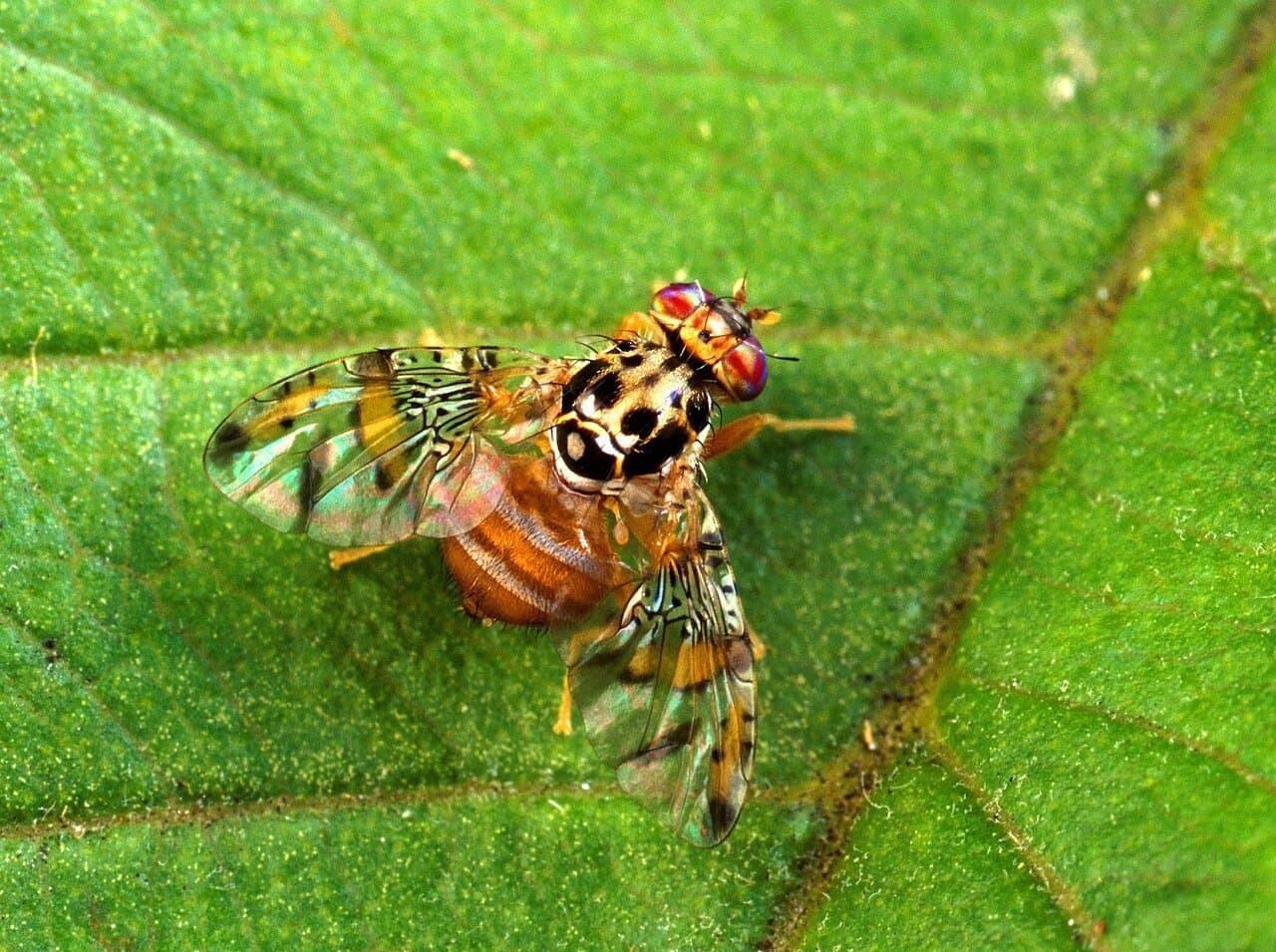
When the larvae are fully grown, they leave the fruit, drop to the ground and pupate in the soil under the tree. In warm weather, a new generation of flies comes out within a few weeks. Clementines, mandarins and persimmons are among the fruits it attacks most.
Watch with traps
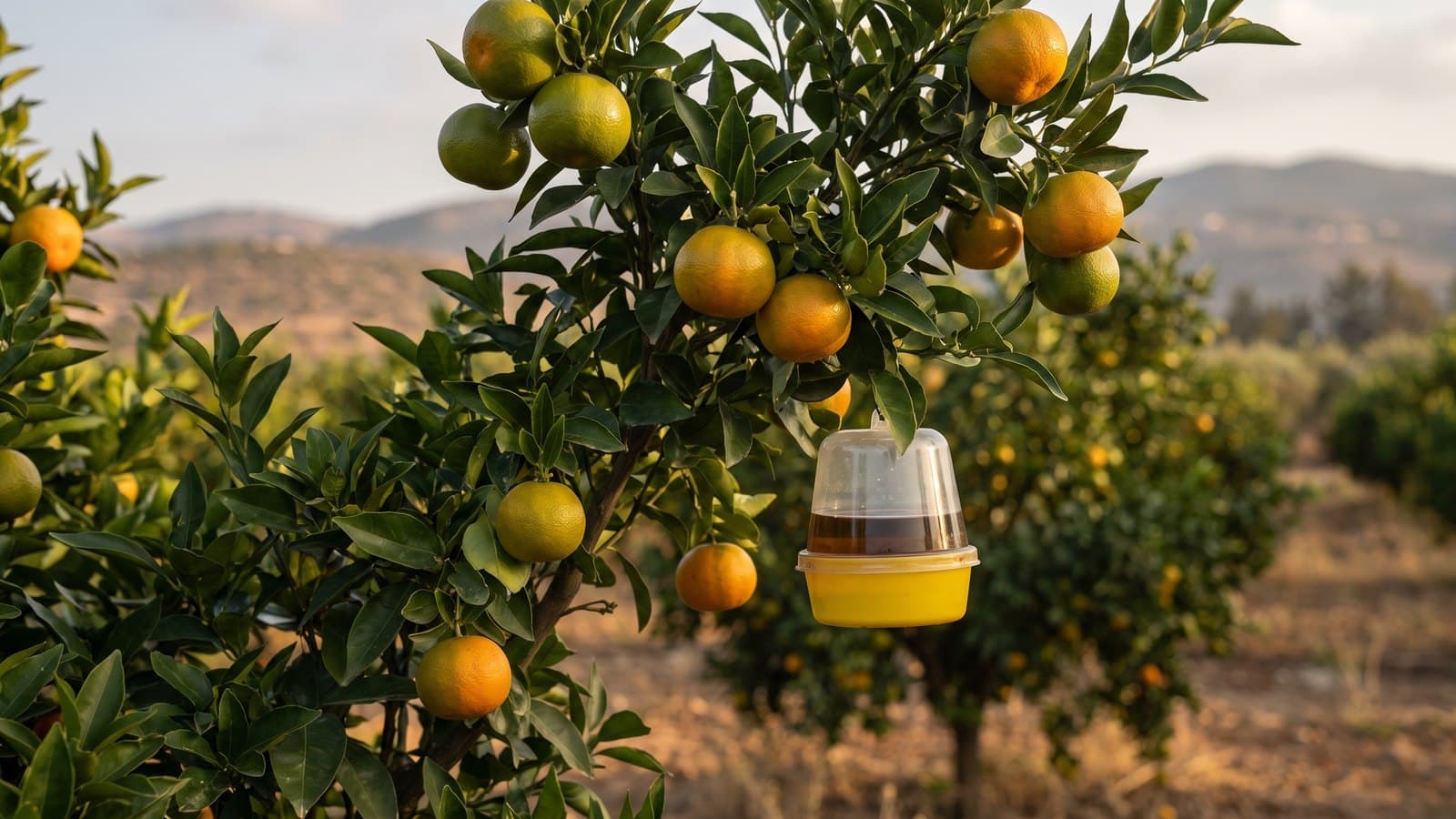
Hang traps in the orchard before the fruit changes colour and check them every week. Traps with a male lure show when the flies arrive and how fast their numbers rise. Traps with a food lure also catch females, the ones that sting the fruit.
A rising catch on fruit that is starting to colour is the signal to act. Keep a simple record of the date, the trap and the number of flies. It shows the trend and tells you whether your control is working.
Bait sprays on part of the tree
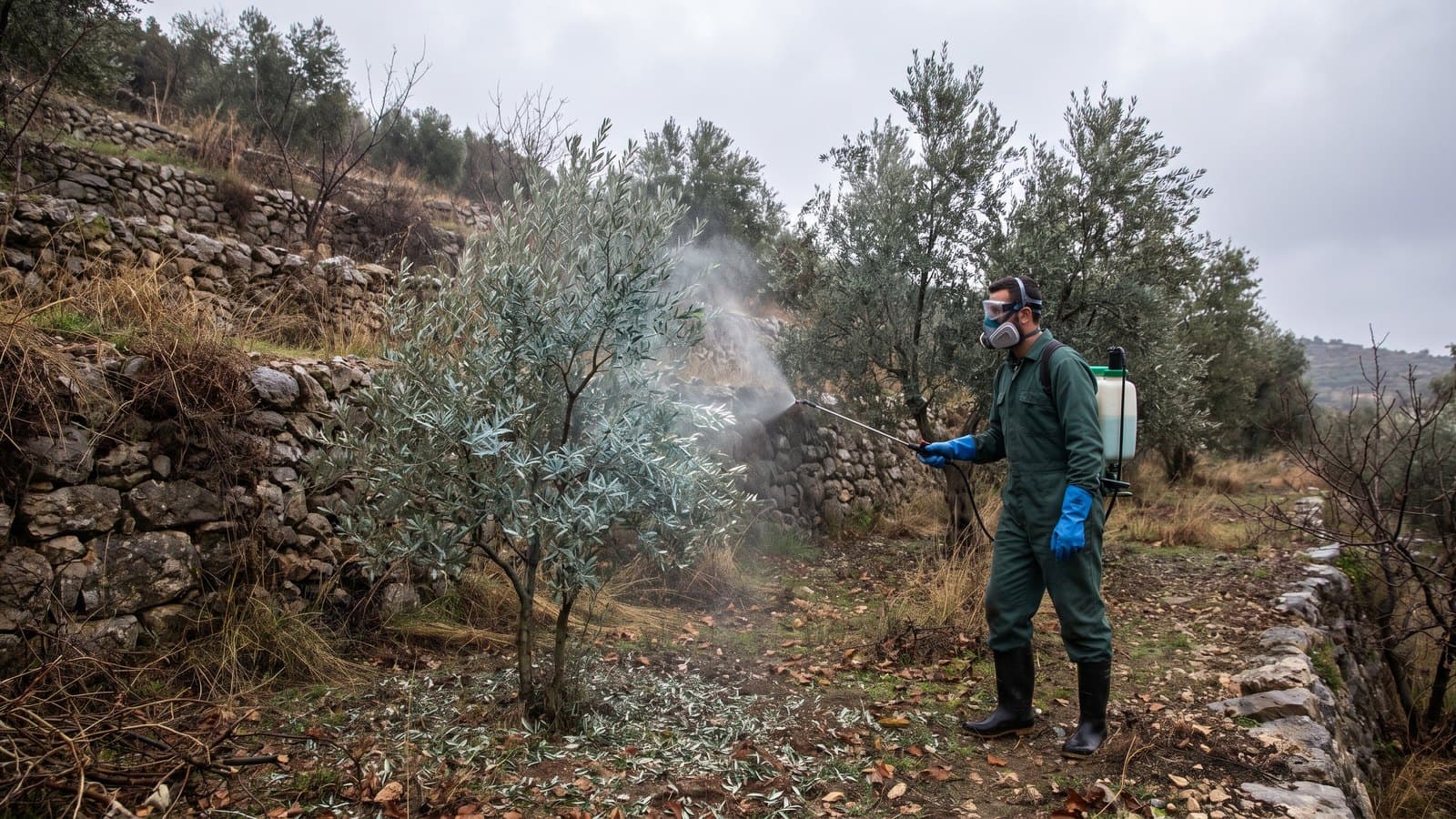
The standard control is a bait spray: a protein bait that attracts the flies, mixed with an insecticide. It is sprayed in large drops on a small patch of each tree, usually on the sunny side, not over the whole canopy. The flies come to feed and die.
Because so little reaches the fruit, bait sprays keep residues low and have far less impact on beneficial insects than a cover spray. Repeat at the interval on the label, and after rain, while catches stay high. Use only products registered in Lebanon for medfly, check the pre-harvest interval before the last spray, and wear the protective equipment the label asks for.
Attract-and-kill devices work on the same idea without spraying: a lure and an insecticide inside a unit that hangs in the tree. Hung before the fruit starts to colour, at the density on the label, they let growers avoid spraying close to harvest. Under heavy pressure, use them together with bait sprays. Like all medfly control, they work best when a whole area uses them.
Clean up fallen fruit
Every fallen fruit can carry the larvae of the next generation.
- Pick up fallen and damaged fruit at least twice a week while the season lasts.
- Never leave it on the ground, on the compost heap or at the edge of the field. Bury it at least 50 cm deep, or seal it in black plastic bags and leave them in full sun for at least a week so the larvae die.
- Pick fruit as it ripens. Overripe fruit left on the tree draws flies.
Act with your neighbours
Medfly does not stay in one orchard. Backyard figs, loquats, guavas and persimmons in villages and towns keep it going through the year, and a grower who controls it alone keeps getting flies from next door. When neighbouring growers and municipalities trap, bait and clean up at the same time, the whole area ends up with fewer flies.
Key Takeaways
- Medfly stings fruit as it starts to colour, and one sting is enough to make it unsellable.
- Hang traps before the fruit colours and check them every week. A rising catch is the signal to act.
- Use bait sprays on a small patch of each tree, with a product registered in Lebanon for medfly, and respect the pre-harvest interval.
- Collect fallen fruit at least twice a week and bury it or bag it in the sun. Control works best when neighbours act together.
Seeing stings or fruit drop? Send a photo of the damaged fruit or of your trap catches to our agronomists, or book a field visit.